How Radio Nets Strengthen the CB Community
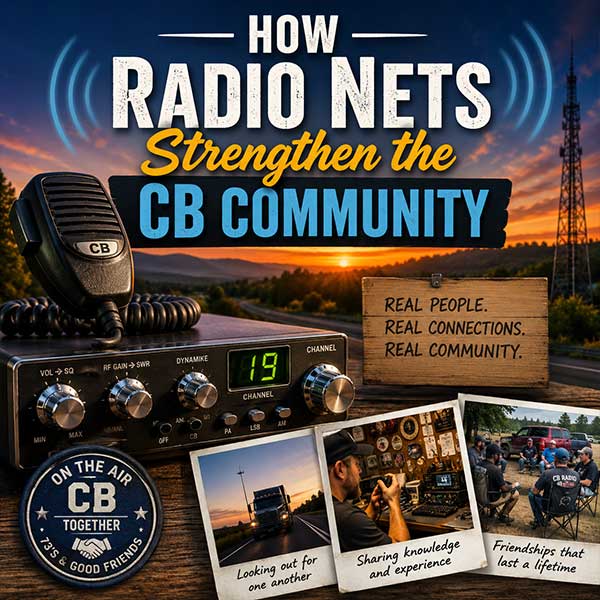
For many CB radio operators, the hobby begins with a simple call into the microphone and the hope that someone, somewhere, will reply. Sometimes that happens immediately. Other times the airwaves seem quiet, with only the occasional burst of static or distant station breaking through. While random contacts have always been part of the appeal of Citizens Band radio, there is another side of the hobby that has helped keep operators connected for decades: radio nets.
A CB radio net is far more than a scheduled conversation. It is one of the most effective ways to bring operators together, encourage participation, develop friendships, and strengthen the wider CB radio community. Whether a net consists of half a dozen local stations checking in each week or dozens of operators spread across multiple counties, the impact on the hobby can be significant.
What Is a CB Radio Net?
A radio net is an organised on-air gathering that takes place on a predetermined channel at a scheduled time. Operators know when and where to listen, allowing them to meet regularly without relying on chance encounters.
Most nets are overseen by a Net Controller or Net Control Station. This operator acts as the host of the gathering, welcoming participants, recording check-ins, guiding discussions, and ensuring everyone has an opportunity to speak.
- Roll calls and operator check-ins
- Signal reports
- Equipment discussions
- Local news and events
- Propagation reports
- Technical advice
- General social conversation
Creating Consistency in the Hobby
One of the biggest challenges in modern CB radio is activity. Many operators monitor channels while driving or listening at home, but if everyone is listening and nobody is transmitting, the airwaves can appear dead.
Regular nets solve this problem by creating predictable activity. When operators know there will be a gathering on a specific channel at a specific time, they are more likely to switch on their radios and participate.
This consistency helps maintain momentum within the community. Instead of isolated contacts occurring sporadically, nets create a recurring event that gives operators a reason to remain engaged.
Welcoming New Operators
Starting out in CB radio can sometimes feel intimidating. New operators may be learning radio terminology, understanding operating etiquette, choosing equipment, setting up antennas, and trying to make their first contacts.
Nets provide a welcoming environment where beginners can introduce themselves and learn from more experienced operators. Most net controllers actively encourage new stations to participate, regardless of their experience level or station setup.
This supportive atmosphere helps newcomers gain confidence and become long-term members of the community.
Building Friendships Beyond the Airwaves
One of the most powerful aspects of CB radio is the social connection it creates. Regular participants begin to recognise each other's voices, learn about each other's lives, and develop genuine friendships.
These relationships often extend beyond radio itself. Operators may meet in person at rallies, assist with station installations, exchange equipment, organise local gatherings, or simply stay in touch outside the net.
In CB terminology, meeting another operator face-to-face is often called an “eyeball”. Many long-lasting friendships have begun with nothing more than a brief radio contact during a weekly net.
Preserving Operating Skills and Etiquette
Good operating practice is one of the foundations of effective radio communication. Nets naturally encourage operators to develop skills such as listening before transmitting, waiting for breaks in conversation, using clear language, giving accurate signal reports, and respecting other operators.
For newer operators, participation in nets often serves as a practical education in how radio communication works. Rather than reading about etiquette online, they experience it directly through real-world operation.
Providing Technical Knowledge and Support
Ask almost any long-time CB operator how they learned about antennas, SWR, propagation, coaxial cable, microphones, or radio maintenance, and many will tell you they learned from other operators.
Nets create an ideal environment for sharing technical knowledge. Within a single session, participants might discuss antenna tuning, SWR troubleshooting, mobile installation, noise reduction, power supplies, propagation conditions, and new radio equipment.
Because participants often have different levels of experience, nets become valuable sources of collective knowledge. A newcomer struggling with poor transmission performance may receive advice from several operators who have encountered the same issue themselves.
Encouraging Local Activity
Local CB activity often depends on visibility. When operators hear regular conversations taking place, they become more likely to participate themselves.
A successful net can have a ripple effect throughout a region. Operators who first join a weekly net frequently begin making additional contacts outside scheduled sessions. Over time, local channels become more active as participants develop relationships and continue conversations throughout the week.
Supporting Emergency Preparedness
Although CB radio is primarily a hobby, it has historically played an important role during emergencies. Before mobile phones became commonplace, CB operators regularly assisted with vehicle breakdowns, road traffic incidents, severe weather events, and local emergencies.
While communication technology has evolved, nets still help maintain useful communication skills. Regular participation ensures operators remain familiar with clear communication procedures, station operation, local coverage areas, and available radio contacts.
Strengthening Regional and National Communities
Some nets extend well beyond local areas. During favourable propagation conditions, operators may check into nets from different counties, countries, or even continents.
These larger gatherings create opportunities to exchange operating experiences, learn about radio activity in other regions, build friendships, promote events, and share propagation information.
Nets and Modern Technology
Far from becoming obsolete, many nets have adapted successfully to the digital age. Today, operators often use websites, social media groups, forums, and dedicated platforms to organise and promote their nets.
Tools such as CB Radio Logbook make it possible to publish upcoming nets, record check-ins, track participation, discover local operators, share net schedules, and build operator profiles.
These online tools complement traditional radio operation rather than replacing it. The radio remains the centrepiece of the activity, while technology helps operators find each other more easily and stay engaged between sessions.
Why Nets Matter More Than Ever
The strength of any hobby ultimately comes down to its community. Equipment can be purchased. Antennas can be upgraded. New radios can be installed. But without people to talk to, the hobby quickly loses much of its appeal.
Radio nets provide structure, friendship, learning opportunities, and regular activity. They give newcomers a reason to stay involved and give experienced operators a way to share their knowledge with others.
Most importantly, they transform CB radio from a collection of individual operators into a genuine community.
Every successful net, whether it attracts five stations or fifty, contributes to keeping the spirit of CB radio alive. Through regular conversation, shared experiences, and mutual support, radio nets continue to strengthen the CB community in exactly the same way they have for generations.
Related articles

Understanding the Net System: How Scheduled CB Nets Work and Why They're Worth Joining
Discover how the Net system in CB Radio Logbook works — from recurring schedules and timezone-aware times to public and invite-only sessions — and the real benefits of joining or hosting scheduled CB radio nets.
CB Radio Terminology Explained: The Complete Guide to CB Radio Lingo, Q-Codes and Operator Slang
Join the CB Radio Logbook
Track every QSO, map your contacts, and connect with operators near you. Create your free account and get on the air.
Create your account